

Historical and Geographical Context
The parish of Pano, located on the northwestern flank of the Tena canton, holds the title of being the largest territorial jurisdiction in the entire canton. Its modern history is closely linked to the work of the missions; the current town was founded between 1948 and 1950 with the arrival of evangelical missionaries. From this period, the old mission building stands out as a provincial heritage site. Constructed of fine woods by the American missionary Gerardo Koon, it has been restored to preserve the area's historical memory. Geographically, Pano is a privileged territory that embraces part of the Cordillera de Los Guacamayos mountain range and serves as guardian of the Llanganates Forest Reserve, a sanctuary that is home to more than 800 plant species and an impressive variety of endemic orchids. The name "Pano" derives from the river that crosses the parish and, in the local language, evokes the virtues of being "helpful, simple, and kind," qualities that define its inhabitants.
Cosmovision and Legends
The spiritual identity of Pano is based on one of the most romantic and tragic tales of the Amazon: the legend of Pano and Tena. According to oral tradition, Pano was a young warrior and skilled hunter, while Tena was a woman of extraordinary beauty dedicated to weaving ashangas (baskets). Their love, forbidden by the young woman's father who had betrothed her to a curaca (chief) from another river basin, led them to hold clandestine rendezvous on the riverbanks. Unable to be together, they merged into the waters of the tributaries that now bear their names; the Pano River and the Tena River finally join in an eternal embrace to form a single, mighty waterway that flows through the provincial capital, symbolizing the indestructible union of the lovers.
Cultural Identity and Flavors
The population of Pano is a mosaic where Kichwa families predominate, bearing ancestral surnames such as Andi, Tapuy, Shiguango, and Calapucha, who coexist harmoniously with mestizo residents. Daily life follows the rhythm of ancient traditions like the Wayusa Upina, a ritual ceremony that begins at 3:00 a.m., where families gather around the hearth (tulpa) to drink the energizing infusion of guayusa, interpret dreams, and pass on advice from elders to young people. As for its flavors, Pano is a benchmark of chakra cuisine; visitors can savor maito de tilapia or carachama wrapped in bijao leaves and grilled over embers, accompanied by boiled yucca and the ever-present chicha de chonta or yucca, fermented beverages that are a symbol of Amazonian hospitality.
Tourism Potential and its Star Attraction
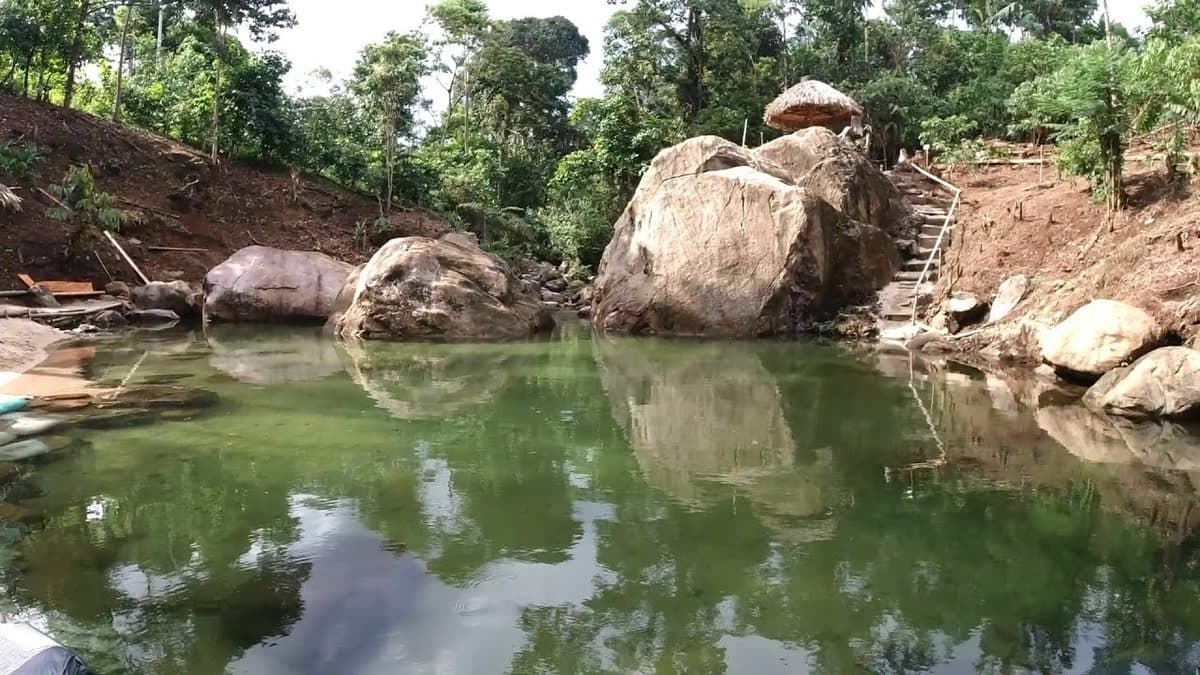
Pano's tourism potential lies in the purity of its water resources and its proximity to the Andean-Amazonian peaks. The area is ideal for ecotourism and birdwatching, offering landscapes dominated by giant rocks, whirlpools, and a lush blanket of primary rainforest. Among its most visited sites are the Achiyacu and Pumayaku rivers, tributaries of the Pano River that form beautiful natural swimming areas, such as La Soga, a favorite spot for family recreation and swimming in crystal-clear waters. However, its star attraction is its role as a natural gateway to Llanganates National Park. This protected area is not only famous for the legend of Atahualpa's treasure but also for being a biodiversity hotspot where high-level hikes can be undertaken to observe unique plant species, making Pano an essential destination for scientists and lovers of untouched nature.